
 Español
 Portugues
 Pусский
 Français
 Deutsch
 العربية
 Türk dili
 中文
中文 فارسی
فارسی
Food Refrigeration
Food Refrigeration: Principles and Importance Food refrigeration is a critical technology for preserving perishable items, extending shelf life, and maintaining food safety. By lowering temperatures, refrigeration slows down the growth of bacteria, yeasts, and molds, which are the primary causes of food spoilage and foodborne illnesses. The process also helps retain nutritional value, texture, and flavor, making it indispensable in modern food supply chains. How Refrigeration Works Refrigeration relies on the principle of heat removal. A typical refrigeration system consists of a compressor, condenser, expansion valve, and evaporator. A refrigerant circulates through these components, absorbing heat from the food storage area and releasing it outside. The temperature inside a refrigerator is usually maintained between 0°C and 4°C (32°F–39°F), while freezers operate at -18°C (0°F) or lower to halt microbial activity almost entirely. Benefits of Food Refrigeration 1. Safety: Pathogens like Salmonella and E. coli multiply rapidly at room temperature. Refrigeration inhibits their growth, reducing the risk of food poisoning. 2. Extended Shelf Life: Perishable foods like meat, dairy, and fresh produce last days or weeks longer when refrigerated, minimizing waste. 3. Quality Preservation: Cooling slows enzymatic and oxidative reactions that cause discoloration, off-flavors, and nutrient loss. 4. Supply Chain Efficiency: Refrigeration enables global food distribution by keeping products fresh during transport and storage. Challenges and Considerations - Energy Consumption: Refrigeration systems require significant energy, contributing to environmental impact. Innovations like energy-efficient compressors and natural refrigerants help mitigate this. - Temperature Control: Fluctuations due to power outages or improper settings can compromise food safety. Regular monitoring is essential. - Food-Specific Requirements: Different foods need tailored conditions. For example, leafy greens require high humidity, while meats need airtight packaging to prevent freezer burn. Future Trends Advancements in smart refrigeration, such as IoT-enabled sensors, allow real-time temperature tracking and alerts. Sustainable practices, including solar-powered cooling and phase-change materials, are also gaining traction. In conclusion, refrigeration is a cornerstone of food preservation, ensuring safety, reducing waste, and supporting global food security. Proper usage and technological improvements will continue to enhance its efficiency and sustainability.
Products
Category:
-
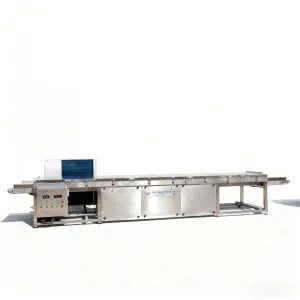
5-meter Cooling Machine Food Refrigeration
Category: Cooling MachineBrowse number: 47Number:Release time: 2025-11-11 11:03:20Food refrigeration stands as an indispensable technology in modern life, revolutionizing how we preserve, store, and enjoy food while upholding critical standards of safety and sustainability. By controlling temperatures between 32°F (0°C) and 40°F (4°C), refrigeration slows microbial growth—including bacteria, mold, and yeast—that causes spoilage, extending the shelf life of perishables from days to weeks. This not only reduces food waste, a global challenge accounting for 1.3 billion tons of discarded food annually, but also ensures families, restaurants, and food businesses access fresh, nutritious ingredients year-round. For commercial settings like grocery stores, catering companies, and food processing plants, industrial food refrigeration systems—such as walk-in coolers, reach-in refrigerators, and display cases—are vital for maintaining inventory quality, complying with health regulations (e.g., FDA guidelines), and supporting seamless operations. Beyond preservation, modern food refrigeration solutions prioritize energy efficiency, integrating advanced technologies like inverter compressors, LED lighting, and eco-friendly refrigerants (such as HFOs) to minimize carbon footprints while lowering operational costs. Whether preserving farm-fresh produce, dairy products, meats, or prepared meals, refrigeration safeguards flavor, texture, and nutritional value, preventing the risk of foodborne illnesses that affect millions worldwide each year. From household fridges to large-scale cold chain logistics, food refrigeration is a cornerstone of food security, enabling global supply chains to deliver fresh goods across distances while empowering consumers to make sustainable choices by reducing waste. Investing in reliable, energy-efficient refrigeration systems is not just a practical decision for businesses and households—it’s a commitment to safer food, environmental responsibility, and a more resilient food ecosystem. -
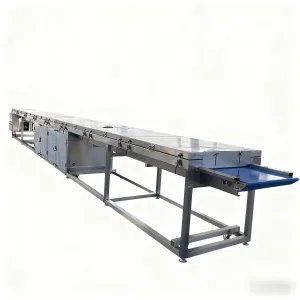
12m Food low-temperature cooling machine
Category: Cooling MachineBrowse number: 46Number:Release time: 2025-11-11 16:22:41A food refrigerator is a cornerstone asset for B2B food businesses—from restaurants, cafes, and bakeries to large-scale processing plants and distribution centers—delivering precise temperature control (typically 0–4°C) to preserve food freshness, inhibit microbial growth, and ensure compliance with global safety standards like HACCP, FDA, and EU 10/2011. Unlike standard household fridges, commercial and industrial food refrigerators are engineered for heavy-duty use, with larger storage capacities, durable construction, and energy-efficient systems that support 24/7 operation. Equipped with food-grade stainless steel interiors (resistant to corrosion, easy to sanitize, and non-reactive with food), these units prevent cross-contamination while withstanding frequent cleaning—critical for high-volume food handling. Key features include intelligent temperature monitoring (with ±0.2°C accuracy and audible/visual alarms for deviations), adjustable shelves to accommodate diverse food types (from bulk produce to packaged meats), and leak-proof insulation that reduces cold air loss by up to 30%, cutting energy costs for B2B operators. Whether used for short-term storage of prepped ingredients in a restaurant kitchen or long-term preservation of perishables in a warehouse, food refrigerators come in customizable designs: compact under-counter models for space-constrained cafes, walk-in units for industrial facilities, and glass-door display fridges for retail environments (to showcase products while maintaining freshness). By investing in a reliable food refrigerator, businesses minimize food waste (extending shelf life of perishables by 2–5 times), avoid costly safety violations, and maintain consistent product quality—ultimately enhancing customer trust and operational efficiency across the food supply chain.
News
Category:
No search results found!
Case
Category:
No search results found!
Video
Category:
No search results found!
Download
Category:
No search results found!
Job
Category:
No search results found!
Featured Products
No search results found!



 WhatsApp
 Phone
Phone