
 Español
 Portugues
 Pусский
 Français
 Deutsch
 العربية
 Türk dili
 中文
中文 فارسی
فارسی
Food refrigeration machine
Food Refrigeration Machines: An Overview Food refrigeration machines are essential appliances designed to preserve perishable food items by maintaining low temperatures, thereby slowing bacterial growth and extending shelf life. These machines are widely used in households, restaurants, supermarkets, and food processing industries to ensure food safety and reduce waste. Types of Food Refrigeration Machines 1. Domestic Refrigerators: Commonly found in homes, these compact units include a freezer compartment and refrigeration section. They operate using a vapor-compression cycle, circulating refrigerant to absorb and dissipate heat. 2. Commercial Refrigerators: Larger and more robust, these are used in restaurants and grocery stores. They feature enhanced insulation, precise temperature controls, and higher storage capacity. 3. Walk-in Coolers & Freezers: Designed for bulk storage, these are large, room-sized units used in food service and industrial settings. They maintain consistent temperatures for extended periods. 4. Display Refrigerators: Often seen in supermarkets, these units have glass doors or open designs to showcase food while keeping it chilled. 5. Blast Chillers & Freezers: Used in commercial kitchens, these rapidly lower the temperature of cooked food to prevent bacterial growth, adhering to food safety standards. Key Components & Working Principle Refrigeration machines function through a closed-loop system comprising: - Compressor: Compresses refrigerant gas, raising its temperature and pressure. - Condenser: Dissipates heat, converting the refrigerant into a liquid. - Expansion Valve: Reduces pressure, cooling the refrigerant. - Evaporator: Absorbs heat from the food storage compartment, turning the refrigerant back into gas. This cycle repeats to maintain a stable, low-temperature environment. Importance in Food Preservation Proper refrigeration prevents spoilage, maintains nutritional value, and inhibits pathogens like Salmonella and E. coli. Modern units also feature energy-efficient designs, smart temperature controls, and eco-friendly refrigerants to minimize environmental impact. Conclusion Food refrigeration machines are indispensable in modern food storage and distribution. By leveraging advanced cooling technologies, they ensure food remains fresh, safe, and readily available for consumption. Whether in homes or large-scale operations, these machines play a vital role in reducing food waste and promoting sustainability.
Products
Category:
-
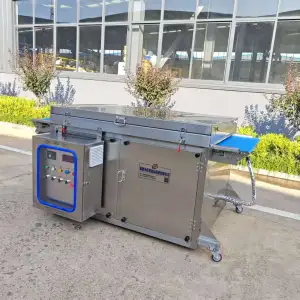
4-meter Food Cooling Machiney Refrigerator
Category: Cooling MachineBrowse number: 46Number:Release time: 2025-11-11 10:42:12Food refrigeration machines are foundational to commercial food operations—from restaurants and grocery stores to food processing plants and distribution centers—designed to maintain consistent low temperatures (typically -40°C to 10°C) for preserving raw ingredients, semi-finished goods, and finished products while upholding food safety standards (FDA, CE, ISO 22000). Constructed with food-grade materials (304 stainless steel interiors, food-safe insulation) and advanced cooling technologies (vapor compression, absorption cooling, and cryogenic refrigeration), these systems prevent microbial growth, slow nutrient degradation, and extend shelf life—addressing a critical pain point for businesses struggling with food waste (which costs the global food industry $1 trillion annually). They offer tailored solutions for diverse use cases: commercial kitchens (refrigerating fresh produce, dairy, and meats at 0°C–4°C), grocery stores (display cases for frozen foods at -18°C to -22°C), food processing plants (chilling bulk ingredients like fruits or vegetables post-harvest), and logistics (refrigerated trucks maintaining temperature during long-haul transport). Key advantages include precise temperature control (±1°C accuracy to avoid freeze burn or spoilage), energy-efficient designs (inverter compressors and LED lighting cutting 25%–35% energy consumption vs. traditional models), and durable construction (corrosion-resistant exteriors for high-moisture environments like seafood departments). Advanced models integrate smart features: IoT-enabled remote monitoring (tracking temperature via mobile apps to prevent failures), automatic defrost cycles (reducing manual maintenance), and door alarm systems (minimizing cold air loss from left-open doors). As sustainability becomes a priority, modern food refrigeration machines also adopt eco-friendly refrigerants (R-454A, R-1234yf) that have 90% lower global warming potential than legacy options, aligning with global carbon reduction goals. Choosing the right food refrigeration machine isn’t just about storage—it’s a strategic investment in reducing waste, ensuring regulatory compliance, and protecting brand reputation, trusted by businesses worldwide for reliable performance in high-demand, temperature-sensitive operations. -
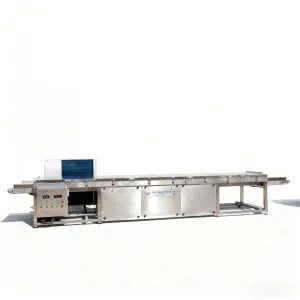
5-meter Cooling Machine Food Refrigeration
Category: Cooling MachineBrowse number: 47Number:Release time: 2025-11-11 11:03:20Food refrigeration stands as an indispensable technology in modern life, revolutionizing how we preserve, store, and enjoy food while upholding critical standards of safety and sustainability. By controlling temperatures between 32°F (0°C) and 40°F (4°C), refrigeration slows microbial growth—including bacteria, mold, and yeast—that causes spoilage, extending the shelf life of perishables from days to weeks. This not only reduces food waste, a global challenge accounting for 1.3 billion tons of discarded food annually, but also ensures families, restaurants, and food businesses access fresh, nutritious ingredients year-round. For commercial settings like grocery stores, catering companies, and food processing plants, industrial food refrigeration systems—such as walk-in coolers, reach-in refrigerators, and display cases—are vital for maintaining inventory quality, complying with health regulations (e.g., FDA guidelines), and supporting seamless operations. Beyond preservation, modern food refrigeration solutions prioritize energy efficiency, integrating advanced technologies like inverter compressors, LED lighting, and eco-friendly refrigerants (such as HFOs) to minimize carbon footprints while lowering operational costs. Whether preserving farm-fresh produce, dairy products, meats, or prepared meals, refrigeration safeguards flavor, texture, and nutritional value, preventing the risk of foodborne illnesses that affect millions worldwide each year. From household fridges to large-scale cold chain logistics, food refrigeration is a cornerstone of food security, enabling global supply chains to deliver fresh goods across distances while empowering consumers to make sustainable choices by reducing waste. Investing in reliable, energy-efficient refrigeration systems is not just a practical decision for businesses and households—it’s a commitment to safer food, environmental responsibility, and a more resilient food ecosystem.
News
Category:
No search results found!
Case
Category:
No search results found!
Video
Category:
No search results found!
Download
Category:
No search results found!
Job
Category:
No search results found!
Featured Products
No search results found!



 WhatsApp
 Phone
Phone