
 Español
 Portugues
 Pусский
 Français
 Deutsch
 العربية
 Türk dili
 中文
中文 فارسی
فارسی
Food refrigeration safety
Food Refrigeration Safety: Best Practices for Storage and Handling Proper refrigeration is essential for maintaining food safety, preventing spoilage, and reducing the risk of foodborne illnesses. Understanding the correct methods for storing and handling refrigerated food can help ensure both quality and safety. Temperature Control The refrigerator should be kept at or below 4°C (40°F), while the freezer should remain at -18°C (0°F) or lower. These temperatures slow bacterial growth, keeping perishable foods safe for longer. Use a thermometer to monitor the fridge and freezer regularly, as fluctuations can compromise food safety. Proper Storage Techniques - Raw Meat, Poultry, and Seafood: Store these items on the bottom shelf or in a separate drawer to prevent cross-contamination from dripping juices. Keep them in sealed containers or tightly wrapped packages. - Dairy and Eggs: Store milk, cheese, and eggs in their original packaging on middle shelves where temperatures are most consistent. Avoid placing them in the door, where temperatures fluctuate. - Fruits and Vegetables: Use crisper drawers with adjustable humidity settings—high humidity for leafy greens and low humidity for fruits that emit ethylene gas (e.g., apples, bananas). - Leftovers: Store in airtight containers and consume within 3–4 days. Label containers with dates to track freshness. Avoiding Cross-Contamination - Keep raw and cooked foods separate. Never place cooked food on a plate that previously held raw meat without washing it first. - Use separate cutting boards for raw meats and produce. - Clean spills immediately to prevent bacterial spread. Safe Thawing Practices Never thaw frozen food at room temperature, as this allows bacteria to multiply rapidly. Instead, use one of these methods: - Refrigerator Thawing: Plan ahead—thawing in the fridge is the safest but slowest method. - Cold Water Thawing: Submerge food in a leak-proof bag under cold running water, changing the water every 30 minutes. - Microwave Thawing: Cook immediately after thawing, as some areas may begin to cook unevenly. Signs of Spoilage Discard food if you notice: - Unusual odors, sliminess, or mold growth. - Dairy products that are sour or discolored. - Meat with a grayish tint or sticky texture. Regular Maintenance Clean the refrigerator monthly with warm, soapy water to remove spills and prevent odors. Check expiration dates weekly and discard expired items. By following these guidelines, you can maximize food safety, reduce waste, and protect your household from foodborne illnesses. Proper refrigeration is a simple yet critical step in maintaining a healthy kitchen.
Products
Category:
-
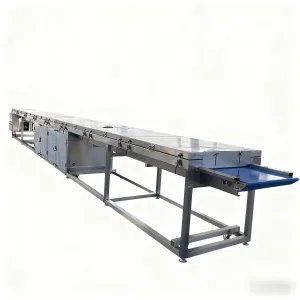
15 meter Food refrigeration safety machine
Category: Cooling MachineBrowse number: 46Number:Release time: 2025-11-11 16:36:23A food refrigerator is a cornerstone asset for B2B food businesses—from restaurants, cafes, and bakeries to large-scale processing plants and distribution centers—delivering precise temperature control (typically 0–4°C) to preserve food freshness, inhibit microbial growth, and ensure compliance with global safety standards like HACCP, FDA, and EU 10/2011. Unlike standard household fridges, commercial and industrial food refrigerators are engineered for heavy-duty use, with larger storage capacities, durable construction, and energy-efficient systems that support 24/7 operation. Equipped with food-grade stainless steel interiors (resistant to corrosion, easy to sanitize, and non-reactive with food), these units prevent cross-contamination while withstanding frequent cleaning—critical for high-volume food handling. Key features include intelligent temperature monitoring (with ±0.2°C accuracy and audible/visual alarms for deviations), adjustable shelves to accommodate diverse food types (from bulk produce to packaged meats), and leak-proof insulation that reduces cold air loss by up to 30%, cutting energy costs for B2B operators. Whether used for short-term storage of prepped ingredients in a restaurant kitchen or long-term preservation of perishables in a warehouse, food refrigerators come in customizable designs: compact under-counter models for space-constrained cafes, walk-in units for industrial facilities, and glass-door display fridges for retail environments (to showcase products while maintaining freshness). By investing in a reliable food refrigerator, businesses minimize food waste (extending shelf life of perishables by 2–5 times), avoid costly safety violations, and maintain consistent product quality—ultimately enhancing customer trust and operational efficiency across the food supply chain.
News
Category:
No search results found!
Case
Category:
No search results found!
Video
Category:
No search results found!
Download
Category:
No search results found!
Job
Category:
No search results found!
Featured Products
No search results found!



 WhatsApp
 Phone
Phone