
 Español
 Portugues
 Pусский
 Français
 Deutsch
 العربية
 Türk dili
 中文
中文 فارسی
فارسی
Food Refrigerator
The Modern Food Refrigerator: A Cornerstone of Kitchen Efficiency The food refrigerator is an indispensable appliance in modern households, revolutionizing the way we store, preserve, and manage perishable goods. Designed to maintain optimal temperatures, refrigerators slow bacterial growth, extending the shelf life of food while retaining its nutritional value and freshness. Over the decades, technological advancements have transformed refrigerators from simple iceboxes into sophisticated, energy-efficient systems equipped with smart features. Key Features and Functions A standard refrigerator consists of multiple compartments, each tailored for specific storage needs. The main refrigeration section typically maintains temperatures between 35°F and 38°F (1.7°C to 3.3°C), ideal for dairy, beverages, and leftovers. Below it, the freezer compartment operates at 0°F (-18°C) or lower, preserving frozen foods for months. Many models also include specialized zones, such as crisper drawers with humidity controls for fruits and vegetables, or deli compartments for meats and cheeses. Modern refrigerators often incorporate advanced cooling technologies like multi-airflow systems to ensure even temperature distribution, preventing hot spots that could spoil food. Energy-efficient inverters and LED lighting further reduce electricity consumption while enhancing usability. Smart and Sustainable Innovations Recent trends emphasize connectivity and sustainability. Smart refrigerators may feature Wi-Fi connectivity, allowing users to monitor contents remotely via smartphone apps, receive expiration alerts, or even suggest recipes based on available ingredients. Some models include built-in cameras to track inventory, reducing food waste. Environmentally friendly designs prioritize eco-conscious materials and refrigerants with lower global warming potential. Energy Star-certified models meet strict efficiency standards, cutting costs and carbon footprints. Impact on Daily Life Beyond preservation, refrigerators streamline meal planning and reduce grocery trips. Their organized storage encourages healthier eating by keeping produce fresh longer. In commercial settings, large-scale refrigeration supports food safety in restaurants, supermarkets, and supply chains. In summary, the food refrigerator is a marvel of engineering that balances functionality, innovation, and sustainability. As technology evolves, it will continue to play a vital role in minimizing waste, optimizing convenience, and safeguarding food quality for future generations.
Products
Category:
-
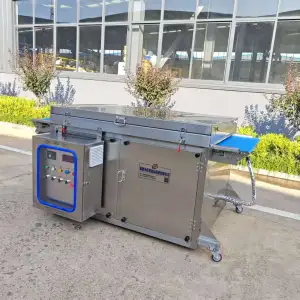
4-meter Food Cooling Machiney Refrigerator
Category: Cooling MachineBrowse number: 46Number:Release time: 2025-11-11 10:42:12Food refrigeration machines are foundational to commercial food operations—from restaurants and grocery stores to food processing plants and distribution centers—designed to maintain consistent low temperatures (typically -40°C to 10°C) for preserving raw ingredients, semi-finished goods, and finished products while upholding food safety standards (FDA, CE, ISO 22000). Constructed with food-grade materials (304 stainless steel interiors, food-safe insulation) and advanced cooling technologies (vapor compression, absorption cooling, and cryogenic refrigeration), these systems prevent microbial growth, slow nutrient degradation, and extend shelf life—addressing a critical pain point for businesses struggling with food waste (which costs the global food industry $1 trillion annually). They offer tailored solutions for diverse use cases: commercial kitchens (refrigerating fresh produce, dairy, and meats at 0°C–4°C), grocery stores (display cases for frozen foods at -18°C to -22°C), food processing plants (chilling bulk ingredients like fruits or vegetables post-harvest), and logistics (refrigerated trucks maintaining temperature during long-haul transport). Key advantages include precise temperature control (±1°C accuracy to avoid freeze burn or spoilage), energy-efficient designs (inverter compressors and LED lighting cutting 25%–35% energy consumption vs. traditional models), and durable construction (corrosion-resistant exteriors for high-moisture environments like seafood departments). Advanced models integrate smart features: IoT-enabled remote monitoring (tracking temperature via mobile apps to prevent failures), automatic defrost cycles (reducing manual maintenance), and door alarm systems (minimizing cold air loss from left-open doors). As sustainability becomes a priority, modern food refrigeration machines also adopt eco-friendly refrigerants (R-454A, R-1234yf) that have 90% lower global warming potential than legacy options, aligning with global carbon reduction goals. Choosing the right food refrigeration machine isn’t just about storage—it’s a strategic investment in reducing waste, ensuring regulatory compliance, and protecting brand reputation, trusted by businesses worldwide for reliable performance in high-demand, temperature-sensitive operations.
News
Category:
No search results found!
Case
Category:
No search results found!
Video
Category:
No search results found!
Download
Category:
No search results found!
Job
Category:
No search results found!
Featured Products
No search results found!



 WhatsApp
 Phone
Phone