
 Español
 Portugues
 Pусский
 Français
 Deutsch
 العربية
 Türk dili
 中文
中文 فارسی
فارسی
Industry Food Machinery
Overview of the Food Machinery Industry The food machinery industry plays a critical role in modern food production, encompassing a wide range of equipment designed to process, package, and preserve food products efficiently. This sector is essential for meeting the growing global demand for food while ensuring safety, quality, and sustainability. From raw material handling to final packaging, food machinery enables automation, precision, and scalability in food manufacturing. Key Segments of Food Machinery 1. Processing Equipment - This includes machines for cutting, mixing, grinding, and cooking food. Examples include industrial blenders, slicers, and extruders, which help transform raw ingredients into finished products. Advanced processing equipment ensures consistency, reduces waste, and enhances productivity. 2. Packaging Machinery - Packaging is vital for food preservation and distribution. Machines such as fillers, sealers, and labeling systems ensure products are hygienically packed and protected. Innovations like vacuum packaging and modified atmosphere packaging (MAP) extend shelf life while maintaining freshness. 3. Beverage Production Equipment - Specialized machinery for liquid processing includes pasteurizers, carbonation systems, and bottling lines. These systems are designed to handle liquids with precision, ensuring safety and efficiency in beverage manufacturing. 4. Bakery and Confectionery Machinery - Equipment like dough mixers, ovens, and chocolate tempering machines are crucial for producing baked goods and sweets. Automation in this segment improves consistency and reduces manual labor. 5. Food Safety and Inspection Systems - Metal detectors, X-ray scanners, and vision inspection systems help detect contaminants and ensure compliance with food safety regulations. These technologies minimize risks and enhance consumer trust. Technological Advancements The industry is rapidly evolving with smart technologies such as IoT-enabled machines, AI-driven quality control, and robotics for automation. Energy-efficient designs and sustainable materials are also gaining importance, aligning with global environmental goals. Challenges and Future Trends Challenges include high initial costs, maintenance requirements, and adapting to diverse food regulations. However, trends like plant-based food processing machinery and personalized nutrition equipment are shaping the future of the industry. In conclusion, the food machinery industry is indispensable for modern food production, driving efficiency, safety, and innovation. As consumer demands evolve, manufacturers continue to develop advanced solutions to meet the needs of a dynamic global market.
Products
Category:
-
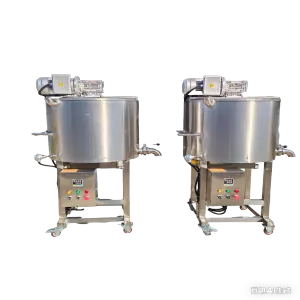
200L Industry Food Melting Furnace
Category: Melting FurnaceBrowse number: 49Number:Release time: 2025-11-10 17:14:03An industrial melting furnace is a cornerstone of metallurgical, manufacturing, and recycling operations, engineered to heat solid materials—including ferrous metals (steel, iron), non-ferrous metals (aluminum, copper, zinc), ceramics, and scrap metal—to their respective melting points (ranging from 660°C for aluminum to 1538°C for steel) for casting, alloying, forging, or recycling. Available in versatile types (induction, gas-fired, electric resistance, crucible), this heavy-duty equipment caters to diverse production scales: small-batch alloy development in aerospace workshops, large-volume metal recycling in waste management facilities, and precision casting in automotive component manufacturing. Key advantages include rapid heat-up (induction models reach target temperatures 30–40% faster than traditional gas-fired units), ultra-precise temperature control (±5°C accuracy via digital thermostats and advanced sensors), and exceptional energy efficiency (modern designs boast ≥80% thermal efficiency, cutting fuel/electricity costs by 15–25% annually). Safety is integrated into every design detail, featuring heat-resistant refractory insulation (ceramic fiber or firebricks) to prevent thermal leaks, pressure relief valves for overpressure protection, and automatic shutoff systems to mitigate fire risks—all complying with global industrial standards (ISO 9001, CE, ASME). For sustainability-focused businesses, eco-friendly models reduce harmful emissions (NOx, CO) by 40% compared to outdated furnaces, aligning with carbon reduction goals. With scalable capacities (10kg to 100-ton crucibles) and compatibility with diverse materials (from precious metals to industrial scrap), a high-quality melting furnace balances productivity, cost-effectiveness, and reliability. Its robust construction (stainless steel frames, corrosion-resistant liners) ensures long service life (8–12 years with proper maintenance), making it an indispensable asset for industries reliant on material transformation—whether producing custom alloys for electronics, recycling scrap metal into usable raw materials, or casting large industrial components.
News
Category:
No search results found!
Case
Category:
No search results found!
Video
Category:
No search results found!
Download
Category:
No search results found!
Job
Category:
No search results found!
Featured Products
No search results found!



 WhatsApp
 Phone
Phone