
 Español
 Portugues
 Pусский
 Français
 Deutsch
 العربية
 Türk dili
 中文
中文 فارسی
فارسی
Melting Furnace
Melting Furnace: An Overview A melting furnace is an industrial heating device designed to melt metals, alloys, or other materials to a liquid state for casting, refining, or recycling purposes. These furnaces are essential in industries such as metallurgy, foundries, and manufacturing, where precise temperature control and efficient melting are critical. Types of Melting Furnaces 1. Induction Furnace – Uses electromagnetic induction to generate heat within the material, offering rapid melting and excellent temperature control. It is energy-efficient and widely used for steel, iron, and non-ferrous metals. 2. Arc Furnace – Relies on electric arcs between electrodes and the material to produce high temperatures, suitable for melting scrap metal and producing high-quality steel. 3. Reverberatory Furnace – Heats materials indirectly using flames that reflect off the furnace walls, commonly used for aluminum and copper. 4. Cupola Furnace – A vertical furnace primarily for melting iron in foundries, utilizing coke as fuel and air blasts to achieve high temperatures. 5. Crucible Furnace – A small-scale furnace where material is placed in a crucible and heated externally, ideal for precious metals and small batches. Key Features & Applications - Temperature Control – Advanced furnaces use automated systems to maintain precise temperatures, ensuring consistent melt quality. - Energy Efficiency – Modern designs incorporate insulation and heat recovery to minimize energy consumption. - Material Versatility – Can process ferrous (iron, steel) and non-ferrous metals (aluminum, copper, zinc) as well as glass and ceramics. - Pollution Control – Equipped with filters and scrubbers to reduce emissions, complying with environmental regulations. Industrial Importance Melting furnaces play a crucial role in metal recycling, reducing waste by reprocessing scrap into reusable material. They also support large-scale production in automotive, aerospace, and construction industries by providing molten metal for casting components. Conclusion Melting furnaces are indispensable in modern manufacturing, offering efficiency, precision, and sustainability. Continuous advancements in furnace technology enhance performance, making them vital for industrial growth and material processing.
Products
Category:
-
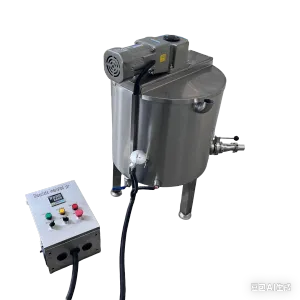
EcoMelt 50L Electric Melting Furnace
Category: Melting FurnaceBrowse number: 49Number:Release time: 2025-11-10 13:24:43A food-grade melting furnace is an indispensable piece of equipment for food processing facilities, bakeries, confectioneries, and dairy plants, designed to safely melt heat-sensitive food materials—including chocolate, butter, cheese, caramel, waxes for coatings, and vegetable oils—while adhering to strict food safety standards (FDA, EU 10/2011, and 3-A Sanitary Standards). Unlike industrial melting furnaces, this specialized equipment prioritizes food contact safety: it features stainless steel (304/316) interiors, non-toxic heating elements, and seamless welds to prevent contamination, residue buildup, or material leaching. Key advantages include precise temperature control (±1°C accuracy via digital PID controllers), which avoids overheating and preserves the texture, flavor, and nutritional value of delicate ingredients—critical for confectioneries making artisanal chocolate or bakeries melting butter for pastries. Many models also include insulated chambers for uniform heat distribution (eliminating hot spots that cause burning) and quick heat-up times (reaching target temperatures like 45–50°C for chocolate in 15–20 minutes), boosting production efficiency for commercial-scale operations. Safety and compliance are integrated, with features like automatic overheat shutoff, easy-to-clean surfaces (compatible with food-safe sanitizers), and open-design lids for visibility during melting. Whether used for small-batch artisanal production or high-volume processing (e.g., melting 50–500kg of cheese for sauce manufacturing), a commercial food melting furnace balances reliability, food safety, and operational efficiency. Its adaptability to diverse food materials—from high-fat dairy products to sugar-based confections—and compatibility with automated food processing lines further make it a vital asset for businesses aiming to meet strict quality standards while scaling production. -
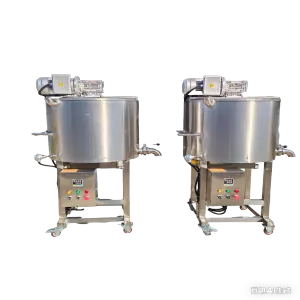
200L Industry Food Melting Furnace
Category: Melting FurnaceBrowse number: 49Number:Release time: 2025-11-10 17:14:03An industrial melting furnace is a cornerstone of metallurgical, manufacturing, and recycling operations, engineered to heat solid materials—including ferrous metals (steel, iron), non-ferrous metals (aluminum, copper, zinc), ceramics, and scrap metal—to their respective melting points (ranging from 660°C for aluminum to 1538°C for steel) for casting, alloying, forging, or recycling. Available in versatile types (induction, gas-fired, electric resistance, crucible), this heavy-duty equipment caters to diverse production scales: small-batch alloy development in aerospace workshops, large-volume metal recycling in waste management facilities, and precision casting in automotive component manufacturing. Key advantages include rapid heat-up (induction models reach target temperatures 30–40% faster than traditional gas-fired units), ultra-precise temperature control (±5°C accuracy via digital thermostats and advanced sensors), and exceptional energy efficiency (modern designs boast ≥80% thermal efficiency, cutting fuel/electricity costs by 15–25% annually). Safety is integrated into every design detail, featuring heat-resistant refractory insulation (ceramic fiber or firebricks) to prevent thermal leaks, pressure relief valves for overpressure protection, and automatic shutoff systems to mitigate fire risks—all complying with global industrial standards (ISO 9001, CE, ASME). For sustainability-focused businesses, eco-friendly models reduce harmful emissions (NOx, CO) by 40% compared to outdated furnaces, aligning with carbon reduction goals. With scalable capacities (10kg to 100-ton crucibles) and compatibility with diverse materials (from precious metals to industrial scrap), a high-quality melting furnace balances productivity, cost-effectiveness, and reliability. Its robust construction (stainless steel frames, corrosion-resistant liners) ensures long service life (8–12 years with proper maintenance), making it an indispensable asset for industries reliant on material transformation—whether producing custom alloys for electronics, recycling scrap metal into usable raw materials, or casting large industrial components. -
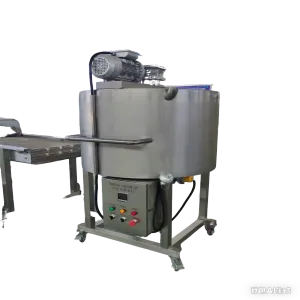
IndusMelt 300L Heavy-Duty Melting Furnace
Category: Melting FurnaceBrowse number: 46Number:Release time: 2025-11-10 17:20:42The Food Melting Furnace is a cutting-edge industrial equipment designed to revolutionize food processing with its high efficiency, safety, and versatility. Engineered specifically for melting a wide range of food materials—including chocolate, butter, cheese, caramel, and various dairy or confectionery ingredients—this furnace delivers consistent results that meet the strict standards of food manufacturing, catering, and bakery industries. Equipped with advanced temperature control technology, it maintains precise heat levels (ranging from 30°C to 180°C, adjustable per specific requirements) to prevent overheating, scorching, or nutrient loss, ensuring the original flavor and quality of the melted food are preserved. Its durable stainless steel construction not only guarantees food-grade hygiene compliance but also enhances corrosion resistance and longevity, making it a reliable investment for long-term use. The furnace features an energy-efficient heating system that reduces power consumption while accelerating melting speed, allowing for batch processing of large quantities (with capacity options from 50L to 500L) to boost production efficiency and meet high-volume demands. User-friendly controls, including digital displays and programmable settings, simplify operation, enabling even unskilled operators to achieve optimal melting results with minimal training. Additionally, its compact design optimizes space utilization in factories or commercial kitchens, while easy-to-clean surfaces streamline maintenance and reduce downtime. Whether you’re producing candies, pastries, sauces, or processed dairy products, the Food Melting Furnace offers a cost-effective solution to streamline your workflow, improve product consistency, and elevate overall productivity. Trusted by food manufacturers worldwide for its performance and reliability, this equipment is the ideal choice for businesses seeking to enhance their food processing capabilities and stay competitive in the dynamic food industry. -
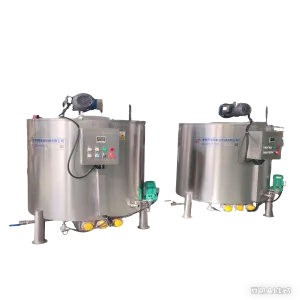
1000L Industrial Grade Food Production Line Melting Furnace
Category: Melting FurnaceBrowse number: 51Number:Release time: 2025-11-11 09:46:23Industrial-grade food machinery is the core driver of efficient, compliant commercial food processing, catering to the strict needs of global food manufacturing plants, large-scale bakeries, beverage facilities, and catering enterprises. Crafted with heavy-duty stainless steel and precision engineering, this professional equipment—covering mixers, extruders, filling machines, packaging lines, and sterilization systems—streamlines production workflows, cuts labor costs, and guarantees consistent product quality, all while meeting international food safety standards like FDA, CE, and ISO. It offers customizable solutions for diverse sectors: dairy processing (yogurt, cheese production), meat fabrication (slicing, marinating), snack manufacturing (chip extrusion, candy forming), and frozen food processing (quick-freezing lines), adapting seamlessly to different production scales and ingredient types. Key benefits include high daily throughput (handling tons of raw materials), energy-efficient designs that reduce long-term operational costs, and user-friendly maintenance features that minimize downtime—critical for keeping production on track. Advanced models integrate smart tech such as PLC control systems and touch-screen interfaces, enabling real-time production monitoring, precise parameter adjustments (temperature, speed), and smooth integration with existing factory lines. As the food industry shifts toward sustainability and traceability, modern industrial food machinery also adopts eco-friendly upgrades: water-saving components, recyclable material compatibility, and heat recovery systems that support green manufacturing goals. Choosing the right industrial food processing equipment isn’t just an investment in productivity—it ensures regulatory compliance, safeguards product safety, and builds a competitive edge in the fast-paced global food market. Trusted by manufacturers worldwide, these machines blend robust construction, innovative tech, and reliable performance to boost growth and profitability for businesses of all sizes.
News
Category:
No search results found!
Case
Category:
No search results found!
Video
Category:
No search results found!
Download
Category:
No search results found!
Job
Category:
No search results found!
Featured Products
No search results found!



 WhatsApp
 Phone
Phone